Body for Life Overview

Body for Life offers a 12-week split with upper, lower, and core PDFs. Each sheet lists exercises, sets, reps, and weight columns for tracking progress. The format emphasizes controlled tempo: two seconds down, one-second pause, explosive up. Users can print, fill, and update online. Download from the site
Program Summary
Body for Life’s 12‑week program blends compound lifts, isolation work, and core conditioning into a structured split: Monday and Friday focus on upper body, Tuesday and Thursday on lower body, and Wednesday on core and cardio. Each PDF sheet lists 10–12 exercises, with columns for planned sets, reps, weight, and notes. The tempo guideline—two seconds eccentric, one‑second pause, explosive concentric—helps maximize muscle tension and hypertrophy while keeping the total workout time manageable. The program is designed for beginners to intermediate lifters seeking functional strength, improved posture, and a lean physique without excessive bulk. Progress is tracked by updating the weight and rep columns weekly; the built‑in “Progress Tracker” sheet aggregates totals for quick visual assessment. Users can print the PDFs, fill them by hand, or import them into digital note‑taking apps for seamless updates. The layout encourages consistency: each session follows the same order of exercises, ensuring muscle memory and progressive overload. The program’s emphasis on compound movements like bench press, squats, and deadlifts, paired with accessory work, provides a balanced stimulus for all major muscle groups. By the end of the cycle, participants typically see measurable gains in strength, muscle tone, and cardiovascular endurance, while the structured rest days allow for adequate recovery. Download the PDF sheets from the official website, print, and start tracking your progress today. Follow the schedule for best results daily
Historical Context
Body for Life first appeared in 1998 as a 12‑week fitness blueprint authored by Bill Phillips, a former Navy SEAL and strength coach. The program married periodized strength training with a nutrition plan that emphasized lean proteins,complex carbs,and a 15‑minute “pre‑workout”routine. Within a decade, the book became a staple in gyms worldwide, and its PDF workout sheets were later digitized for online sharing. By 2005, community forums like r/WorkoutRoutines began discussing the program’s efficacy,noting its focus on controlled tempo and progressive overload. The early 2010s saw a surge in downloadable PDF trackers,allowing users to log sets,reps,and weights directly on the original layout. In 2018, the official Body for Life website introduced a free PDF bundle,including upper, lower, core, and progress sheets,which quickly went viral on fitness blogs. The program’s legacy is reflected in its influence on subsequent hybrid training models that blend hypertrophy and endurance. In 2020, a revised edition incorporated a “no‑equipment” variant, making the sheets accessible to home‑based athletes. The historical evolution from a paperback guide to a digital, printable resource underscores its lasting impact on the fitness community, with thousands of PDFs circulating across Reddit, Facebook groups, and personal training apps. Moreover, research studies have cited Body for Life’s tempo‑based approach as effective for muscle hypertrophy, and many trainers have incorporated its sheets into group classes, further cementing its status as a foundational program. Since and daily

Workout Sheet PDFs
The Body for Life PDF collection includes four core sheets: Upper Body, Lower Body, Core & Cardio, and a Progress Tracker. Each sheet lists exercises, sets, reps, and weight columns, allowing users to log performance and monitor gains over the 12‑week cycle. Print home gym.
Upper Body Sheet

Body for Life’s Upper Body PDF is a structured template designed for the Monday, Friday, and optional Saturday sessions. It lists 12 classic compound and isolation movements—bench press, incline dumbbell press, lat pulldown, seated row, overhead press, lateral raise, biceps curl, triceps pushdown, and more. Each exercise row includes columns for planned sets, weights, reps, and a final column for actual performance. The sheet also features a tempo reminder: “2‑second eccentric, 1‑second pause, explosive concentric” to reinforce controlled movement and muscle tension. Users can print the sheet, fill it by hand, or use a PDF editor to add notes on form or intensity. The template encourages progressive overload by allowing the weight column to be updated each week, while the reps column can be adjusted for hypertrophy or strength focus. Additionally, a “Total Volume” row calculates overall workload, helping track long‑term gains. The design is compatible with both print and digital devices, making it easy to keep a consistent training log throughout the 12‑week cycle. The template also includes a rest interval column, allowing you to note the time between sets, which is crucial for managing intensity. A separate section at the bottom prompts you to rate each exercise on a scale of 1‑10 for perceived effort, helping you gauge fatigue and plan future adjustments. The PDF is formatted in a clean, tabular layout with bold headers for quick reference. Users can download the file from the official Body for Life website, ensuring they have the most up‑to‑date version that aligns with the 12‑week program’s progression guidelines. By consistently logging each session, you can visualize improvements in strength, endurance, and overall body composition, making the Upper Body Sheet a central tool for tracking progress. Remember to review the sheet after each workout to identify trends and adjust your training plan accordingly. Storing the PDFs in a cloud folder ensures you can access them on the go, while the printable format keeps your routine organized and portable. Use the sheet’s built‑in notes section to track any pain or discomfort, and consult a trainer if you notice persistent issue that could hinder progress. daily
Lower Body Sheet
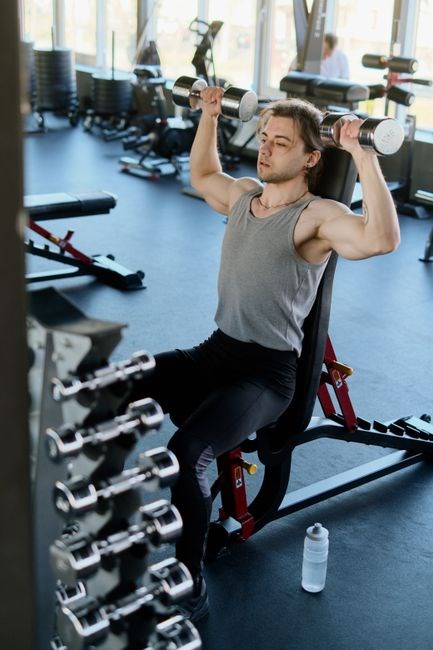
Body for Life’s Lower Body PDF is the companion to the upper‑body template, covering Wednesday and Saturday sessions. It lists 10 core exercises—squat, leg press, deadlift, lunge, calf raise, leg curl, hip thrust, glute bridge, hamstring stretch, and a brief mobility drill. Each row contains columns for planned sets, weight, reps, and a final column for actual performance, mirroring the upper‑body layout for consistency. The sheet reminds you to keep the tempo: “2‑second eccentric, 1‑second pause, explosive concentric” to maximize muscle tension and joint stability. A rest‑interval column is included, allowing you to log the time between sets, which is essential for managing training density. At the bottom, a “Total Volume” calculation aggregates the product of sets, reps, and weight, giving you a quick snapshot of weekly workload. A perceived‑effort scale from 1‑10 is also provided, encouraging you to rate each exercise’s difficulty and adjust intensity accordingly. The PDF is designed in a clean, tabular format with bold headers for fast reference, and it can be printed or filled digitally. Downloading the file from the official Body for Life site guarantees you have the latest version that aligns with the 12‑week progression plan. By logging each session, you can track improvements in strength, endurance, and body composition, making the Lower Body Sheet a vital tool for long‑term progress. Store the PDF in a cloud folder for mobile access, and use the notes section to record any pain or mobility issues that may need attention. Consistent use of this sheet will help you stay on track with the program’s goals and ensure a balanced, effective lower‑body routine. daily
Core & Cardio Sheet
Body for Life’s Core & Cardio PDF is the final part of the 12‑week split, scheduled for Thursday and Sunday. It lists 12 exercises that mix abdominal work with cardio bursts. Each row has columns for planned sets, reps, weight or time, and actual performance. Core moves include planks, bicycle crunches, Russian twists, reverse crunches, and hanging leg raises; cardio bursts are 30‑second intervals of jumping jacks, high knees, mountain climbers, and burpees. The sheet reminds you to keep the tempo: “2‑second hold, 1‑second release, explosive transition” for core moves, and to maintain a pace for cardio bursts. A rest‑interval column lets you log pauses between exercises, which is key for training density. At the bottom, a “Total Time” calculation aggregates sets, reps, and time, giving a snapshot of weekly volume. A perceived‑effort scale from 1‑10 encourages you to rate difficulty and adjust intensity. The PDF can be printed or filled digitally. Downloading the file from the Body for Life site guarantees the version aligned with the 12‑week plan. By logging each session, you track core strength, endurance, and cardiovascular fitness, making the Core & Cardio Sheet for daily progress. Log that can be reviewed monthly to assess progress, spot plateaus, and modify training variables. The Core & Cardio Sheet is a companion, ensuring core stability cardiovascular conditioning receive equal emphasis alongside strength training.

Progress Tracker
The Body for Life Progress Tracker PDF is a dedicated log that captures weekly performance across all workout components. It features a table with columns for date, exercise, sets, reps, weight, and perceived effort. Each row corresponds to a single exercise, allowing you to record planned versus actual data side‑by‑side. A running total column automatically sums the weight lifted, giving a quick view of cumulative volume. The tracker also includes a “Notes” section for subjective observations such as fatigue, form adjustments, or equipment changes. At the bottom, a simple trend analysis chart plots weight progression for each major lift, helping you spot gains or stalls. The sheet is designed for both print and digital use; you can download the PDF, print it, or fill it in with a PDF editor. By consistently updating the tracker after every session, you create a data‑driven record that informs periodization decisions, such as when to increase load or add volume. The tracker aligns with the 12‑week Body for Life program, ensuring that progress is measured in a structured, repeatable manner. This tool turns raw workout data into actionable insights, supporting long‑term adherence and measurable results. By integrating the Progress Tracker into your weekly routine, you gain a clear audit trail that highlights incremental improvements, identifies training plateaus, and informs when to adjust volume or intensity; this data‑centric approach transforms a generic workout into a personalized, science‑backed plan that adapts to your evolving fitness level over the 12‑week cycle.
Using & Customizing PDFs!.
Download the PDF, print or fill digitally. Adjust set/rep columns, add personal notes, and track progress. Use a PDF editor to insert your own exercises or swap days. Consistent logging ensures data accuracy and helps tailor the program to your goals. Track weekly changes!!.

Downloading and Printing
To start using the Body for Life workout sheets, first locate the official PDF download link on the program’s website or a trusted fitness resource. The files are typically available in a single ZIP archive containing separate PDFs for upper body, lower body, core & cardio, and a progress tracker. After downloading, extract the ZIP folder and open each PDF with a reliable viewer such as Adobe Acrobat Reader or Foxit Reader. If you prefer a digital log, many PDFs are fillable; simply click on the form fields to input your planned sets, reps, and weights. For a physical copy, ensure your printer settings are optimized: choose high‑resolution print, set the paper size to A4 or Letter, and select the “Fit to Page” option to preserve the layout. Some users report that printing the sheets in landscape mode improves readability for the wide columns. Once printed, you can laminate the sheets for durability or use a binder with clear sleeves to keep them organized. Remember to keep a backup copy on your computer or cloud storage so you can reprint or edit the sheets as your training progresses. This approach ensures you always have an up‑to‑date, easy‑to‑read workout log that aligns with the Body for Life program’s structured 12‑week plan.
Additionally, many users set a weekly goal—such as adding five pounds to a major lift or increasing reps by two—to stay motivated. Tracking these incremental changes in the PDF’s progress column provides visual proof of progress, keeping you focused consistent Schedule workouts in advance and keep the sheets within easy reach!!!
Filling Out and Tracking
Once the Body for Life PDFs are printed or opened digitally, the next step is to populate each exercise row with your planned workload. In the “Planned Sets” column, enter the number of sets prescribed by the program—usually three to four for major lifts. The “Planned Reps” column should reflect the target repetitions, often 8–12 for hypertrophy. For the “Planned Weight” field, write the weight you intend to use; if you’re new, start with a conservative load and use the “Actual Weight” column to record what you actually lifted. After each workout, immediately update the “Actual Reps” and “Actual Weight” columns to capture real performance. This real‑time logging helps you spot trends, identify sticking points, and adjust future sessions accordingly.

Many users find it helpful to color‑code their entries: green for completed sets, yellow for sets that were cut short, and red for missed sessions. The “Notes” section can capture qualitative data—how you felt, any aches, or equipment changes. Over the 12‑week cycle, the progress tracker sheet compiles these entries into a visual graph, allowing you to see weight progression, rep consistency, and overall effort. Some trainers recommend reviewing the tracker every Sunday evening to plan the next week’s load adjustments. Consistency in logging is key; a single missed entry can obscure a plateau or a breakthrough. If you prefer digital tracking, many PDF viewers allow you to save a new PDF after each entry, creating a versioned log that can be compared side‑by‑side. For those who like a tactile approach, a small notebook or a binder with clear sleeves can serve the same purpose—just ensure the layout matches the original sheet for easy cross‑referencing.
If the PDF is fillable, simply click on each field and type. After filling, you can save the file as a new PDF to preserve the original template. Some users choose to print the filled sheet each week to keep a hard copy. The “Progress” column at the bottom of each sheet automatically calculates total volume (sets × reps × weight) if the PDF contains a calculation field; otherwise, you can compute manually and note it. Tracking volume helps you ensure progressive overload. Remember to update the “Rest” column with actual rest times; this data can reveal whether you’re allowing adequate recovery. Consistent logging not only tracks progress but also reinforces accountability, making it easier to stay on the 12‑week plan. Finally, set a reminder in your phone or calendar to review the tracker before each workout; this habit turns data into actionable insights.
Customizing Sets and Reps
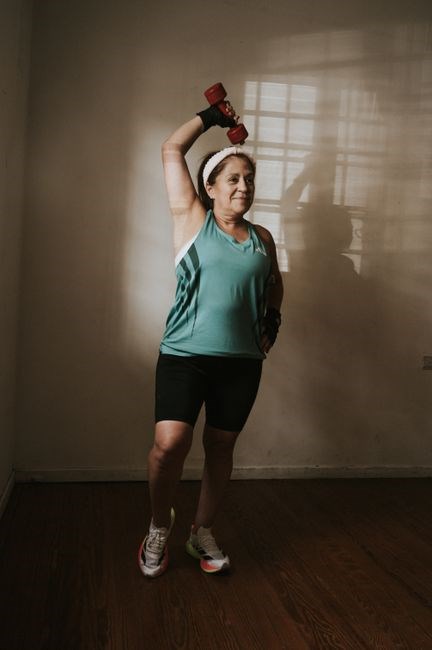
Body for Life’s default schedule prescribes three sets of 8–12 reps for most lifts, but the program’s flexibility allows you to tailor volume to your goals. If you’re aiming for strength, switch to two sets of 4–6 reps with heavier loads; if hypertrophy is the focus, add a fourth set or increase the rep range to 12–15. For beginners, a conservative approach—two sets of 10 reps—can reduce injury risk while still building a base. The PDF’s “Planned Sets” column is the first place to adjust; simply replace the number with your chosen volume. The “Planned Reps” column should mirror the new rep scheme. When you change sets or reps, remember to recalculate the “Planned Weight” column: a heavier load for fewer reps or a lighter load for higher reps keeps the total volume balanced. Many users find it helpful to log a “Progression” note beside each exercise, indicating whether the next week will increase weight, add a set, or shift the rep range. This forward‑looking note turns the sheet into a dynamic plan rather than a static checklist. If you’re training with periodization, use the “Progression” field to mark a spike week or a deload week. Some trainers suggest a 5‑day split—upper, lower, core—allocating more sets to compounds on the first day and tapering on the second. The key is consistency: once you decide on a set/reps scheme, stick to it for at least two weeks before making another change, allowing your body to adapt. Finally, always record the actual reps and weights after each session; this data will confirm whether your customization is effective or needs tweaking. By treating the PDF as a living document, you can fine‑tune volume, intensity, and recovery to match your evolving fitness level. Consider scanning the PDF and using a spreadsheet to auto‑calculate volume and progress; this digital layer can flag when your weekly volume exceeds a threshold, signaling a need for a deload, or when it dips below a target, prompting an extra set or load increase. By integrating these tools, the Body for Life PDF becomes more than a static worksheet; it evolves into a personalized training companion that adapts to your data in real time. Remember to review the tracker every Sunday to adjust the next week’s load accordingly.
Technique Tips
Body for Life’s tempo—two seconds eccentric, one‑second pause, explosive concentric—ensures muscle tension and joint stability. Start each lift with a controlled descent: lower the bar or dumbbell slowly, keeping the core braced and the spine neutral. Pause at the bottom for one second; this eliminates momentum and forces the muscle to contract fully. Then explode upward, engaging the primary mover while keeping the shoulder blades retracted. Breathing is key: exhale on the concentric phase, inhale on the eccentric. For compound movements like bench press or squats, maintain a tight core and avoid arching the lower back. Use a mirror or video feedback to check posture; the bar should travel in a straight line, elbows at a 45‑degree angle for benching, and knees tracking over toes in squats. For isolation exercises such as biceps curls or triceps extensions, focus on a full range of motion; fully extend the arm at the bottom and fully contract at the top. Avoid swinging or using momentum—this reduces load on the target muscle and increases injury risk. If you struggle to maintain form at the prescribed weight, reduce the load or add a set of lighter reps to master the movement before progressing. The PDF’s “Technique” column is a reminder to note any form adjustments; this data helps you identify patterns that need correction. Incorporate warm‑ups: 5–10 minutes of light cardio, dynamic stretches, and a few warm‑up sets with an empty bar. Cool‑down stretches for the worked muscle groups improve flexibility and aid recovery. Remember to keep the wrists neutral during presses, and to lock the knees only at the top of a squat to avoid hyperextension. Use a training log to record any deviations from the prescribed tempo; this will help you adjust future sessions. If a lift feels too difficult, consider a tempo variation like 3‑0‑1 to build control before increasing load. When performing pull‑ups, keep the shoulders down and back to avoid shrugging, which can strain the neck. Use a timer for rest intervals—90 seconds between upper body sets and 120 seconds for lower body—to standardize recovery. Keep your core protect the spine. Mirror. Stay alert. For cardio components, maintain a steady pace that allows you to complete the prescribed intervals without compromising form. Finally, consistency in tempo and breathing across all exercises builds neuromuscular efficiency, making the Body for Life program effective even without heavy weights. Listen to your body—if you feel sharp pain, pause the exercise and reassess technique or consult a professional.
Common Mistakes
Many users overlook the Body for Life tempo, rushing the eccentric phase or using momentum to lift. This reduces muscle tension and increases injury risk. Another frequent error is neglecting the one‑second pause at the bottom; without it the concentric phase lacks power. Skipping the warm‑up or cooling‑down stretches also leads to tight joints and decreased range of motion. Overloading too quickly is common; the program’s progressive overload relies on mastering form before adding weight. Ignoring the core engagement during squats or presses allows the lower back to arch, causing strain. Many also forget to keep the wrists neutral on presses, which can overload the elbow ligaments. Failure to track rest intervals—shortening them to 30 seconds—disrupts recovery and can cause fatigue. Using a single set per exercise defeats the program’s design, which requires multiple sets to stimulate hypertrophy. Finally, many users skip the “Technique” column in the PDF, missing an opportunity to log form adjustments and progress. These mistakes dilute the effectiveness of the Body for Life workout sheets and can hinder long‑term results.
Commonly, users also neglect the importance of progressive overload, failing to increase weight or resistance systematically, which stalls gains; they may also ignore the necessity of adequate sleep and nutrition, leading to suboptimal recovery and diminished performance over time.
Many also skip mobility work, which can improve joint range and reduce injury, enabling steadier progress over weeks steady! daily now
To maximize gains, pair the Body for Life sheets with a protein‑rich diet, ensuring you consume roughly 1.2 to 1.5 grams of protein per kilogram of body weight daily, while staying hydrated and allowing ample sleep to support muscle repair and hormonal balance and rest well!!!!
Consistency Strategies
Sticking to the Body for Life workout sheets requires a blend of habit, accountability, and incremental goal‑setting. First, schedule each session in your calendar the night before, treating it as a non‑negotiable appointment. Use the PDF’s “Progress Tracker” to log weights and reps; the visual feedback keeps motivation high. Second, set micro‑milestones—every four weeks, aim to add 5–10 lb to the heaviest lift or increase reps by two. Celebrate these wins with a small reward, such as a favorite healthy snack or a new workout playlist. Third, pair the sheets with a digital reminder app; a simple push notification at the start of each workout can reduce the “I’ll do it tomorrow” trap. Fourth, enlist a workout buddy or join an online community; sharing progress updates on forums like r/BodyForLife or a private Facebook group creates social pressure and support. Fifth, maintain a consistent sleep schedule—aim for 7–9 hours per night—to ensure recovery aligns with the program’s progressive overload. Finally, review your logs weekly; identify patterns where fatigue spikes or form dips, and adjust rest days or intensity accordingly. By embedding these practices into daily life, the Body for Life sheets become a reliable tool for long‑term fitness success. Adopting a consistent routine improves mental health; rhythmic nature of workouts reduces stress and improves sleep quality. In addition, integrating a 10‑minute mobility warm‑up before each session enhances joint health reduces injury risk, ensuring you can maintain program for the full 12 weeks without setbacks.