Overview of Basic Kettlebell Workouts
Basic kettlebell workouts combine strength‚ cardio‚ and mobility. A 30‑minute full‑body routine‚ a 15‑minute weight‑loss circuit‚ and printable PDFs for all levels give structured progress. Adaptable to 10‑‚ 20‑‚ or 30‑minute slots‚ they keep training efficient. Ideal for gym‚ they build core power.
30‑Minute Full Body Routine
Start with a 3‑minute dynamic warm‑up: 3 seconds of arm circles‚ 3 seconds of leg swings‚ 3 seconds of hip circles. This activates the major muscle groups and primes the nervous system for kettlebell work.
The core of the routine is a 30‑minute circuit split into six stations. Each station lasts 45 seconds of active work followed by 15 seconds of rest. Perform one round of all stations for a beginner‚ two rounds for an intermediate‚ and three rounds for an advanced athlete. The stations are:
- Swing – 45 seconds of kettlebell swings‚ 15 seconds rest.
- Goblet Squat – 45 seconds of goblet squats‚ 15 seconds rest.
- Push‑Up to Row – 45 seconds alternating push‑ups and single‑arm rows‚ 15 seconds rest.
- Turkish Get‑Up (TGU) – 45 seconds of half TGUs on each side‚ 15 seconds rest.
- Russian Twist – 45 seconds of seated twists‚ 15 seconds rest.
- Farmer’s Carry – 45 seconds of walking carries‚ 15 seconds rest.
For optimal results‚ focus on controlled breathing: inhale on the upward phase‚ exhale on the downward. Keep a neutral spine and core engaged. If you need a lighter load‚ switch to an 8 kg kettlebell or body‑weight variations. The PDF offers a quick‑start checklist to track consistency;
Keep a log of your weight and reps to monitor progress. Track it daily. Now!? Add a note on fatigue levels. Adjust weight daily.
15‑Minute Weight Loss Circuit
Start with a 2‑minute warm‑up: jog in place‚ high knees‚ and arm swings to elevate heart rate. Then‚ execute the 10‑station circuit below‚ each lasting 45 seconds of active work followed by 15 seconds of rest. This 15‑minute format maximizes calorie burn while keeping intensity high and movement variety.
- High‑Knee Swing – 45 seconds swings‚ high knee drive.
- Goblet Squat Jump – 45 seconds explosive jumps.
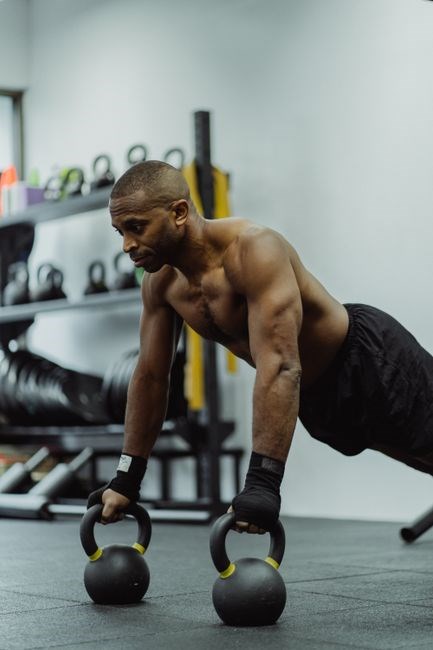
- Push‑Up Row – 45 seconds push‑ups and rows.
- Reverse Lunge – 45 seconds lunges holding kettlebell.
- Russian Twist – 45 seconds twists.
- Burpee Swing – 45 seconds burpee with kettlebell swing.
- Mountain Climbers – 45 seconds climbers.
- Deadlift Row – 45 seconds deadlifts then rows.
- Side Plank Reach – 45 seconds plank‚ reach kettlebell overhead.
- Cool‑Down Stretch – 45 seconds stretches.
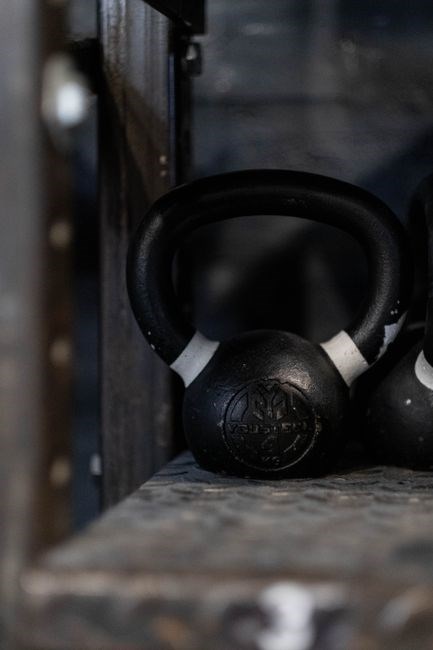
Conclude with a 2‑minute cool‑down: deep breathing‚ shoulder rolls‚ and gentle hamstring stretch to aid recovery. The accompanying PDF provides a printable checklist to log reps‚ heart rate‚ and perceived exertion. Adjust kettlebell weight to maintain a heart rate in the fat‑burn zone; lighter loads for beginners‚ heavier for advanced. Consistency‚ progressive overload‚ and proper form are essential for sustainable weight loss!
Popular PDF Workout Templates
Download printable PDFs for all levels: beginner‚ intermediate‚ advanced. Each template includes warm‑up‚ 4‑exercise circuit‚ cool‑down‚ and progress log. They’re free‚ printable‚ and easy to adapt for home or gym use. Track progress and stay motivated daily now
Printables for Beginners‚ Intermediates‚ and Advanced
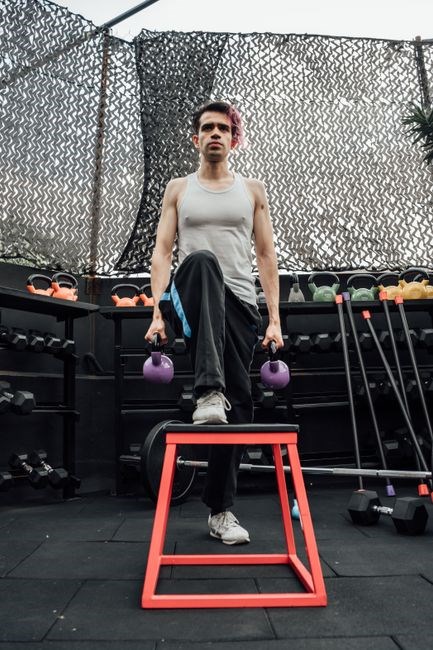
Each printable PDF is tailored to a specific skill tier‚ offering a clear progression from basic kettlebell fundamentals to more advanced compound movements. The beginner sheet focuses on mastering form with light loads‚ featuring a 5‑minute warm‑up‚ a 3‑exercise circuit (swing‚ goblet squat‚ overhead press)‚ and a 5‑minute cool‑down. Reps are set at 12–15 per exercise with 60‑second rest intervals‚ allowing novices to build confidence and core stability. The intermediate template builds on that foundation‚ adding a 4‑exercise circuit (swing‚ goblet squat‚ Turkish get‑up‚ snatch) with 3 sets of 10 reps and 45‑second rests. It also introduces a brief mobility segment and a 3‑minute cooldown to aid recovery. Advanced users receive a high‑intensity 5‑exercise routine (swing‚ goblet squat‚ Turkish get‑up‚ snatch‚ clean press)‚ 4 sets of 8 reps‚ 30‑second rest‚ and a 5‑minute cooldown. Each PDF includes a progress tracker‚ a brief explanation of each movement‚ and a safety checklist. The files are PDF ready for instant download‚ printable on any standard printer‚ and can be filled out digitally or by hand. By providing a structured‚ tiered approach‚ these printables help users stay consistent‚ monitor progress‚ and safely scale intensity as they grow stronger. Users can also annotate directly on the PDF or transfer data to a spreadsheet for deeper analysis. The templates are designed with a clean‚ minimalist layout‚ making them easy to read on the go. This keeps form correct. Because the PDFs are free‚ you can print multiple copies for different training days or share them with a workout partner. Try
Downloadable PDF Resources
Access a curated library of downloadable PDFs that cover every aspect of kettlebell training—from essential warm‑ups and core drills to full‑body circuits and advanced technique guides. Each file is professionally designed with clear layout‚ easy‑to‑read typography‚ and printable formatting that works on any standard printer. The resources are grouped by focus:
- Technique Guides: Step‑by‑step instructions with diagrams for swings‚ cleans‚ snatches‚ and Turkish get‑ups.
- Workout Templates: Ready‑to‑use plans for 10‑‚ 20‑‚ and 30‑minute sessions‚ including beginner‚ intermediate‚ and advanced variations.
- Progress Trackers: Sheets to log sets‚ reps‚ weights‚ and personal notes‚ helping you monitor growth over weeks.
- Recovery & Mobility: Stretch routines and foam‑rolling tips to keep joints healthy and prevent injury.
All PDFs are free to download‚ instantly accessible via a single click‚ and can be saved to your device or printed for on‑hand reference. Whether you’re a home‑gym enthusiast‚ a fitness instructor‚ or a coach looking for reliable material‚ these resources provide a solid foundation for safe‚ effective kettlebell training.
Downloaders can also customize the PDFs by inserting their own workout logs‚ adjusting rep schemes‚ or adding personal notes‚ ensuring the material stays relevant as fitness goals evolve. The templates are PDF/A compatible with all major operating systems.
Key Exercises Included in PDFs
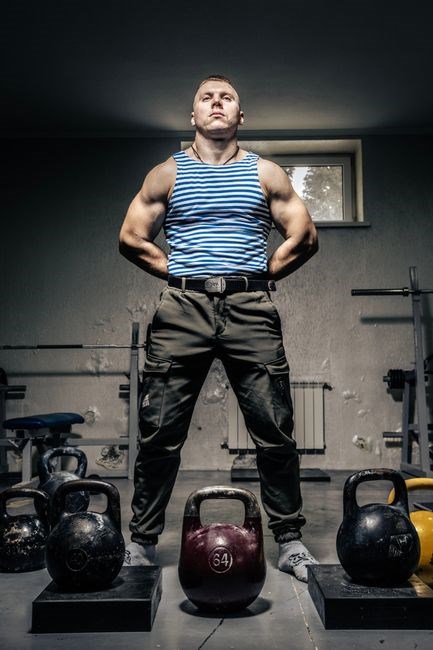
PDFs feature core moves: kettlebell swing‚ goblet squat‚ Turkish get‑up‚ snatch‚ clean‚ press‚ and farmer’s walk. Each exercise is illustrated with step‑by‑step instructions‚ rep ranges‚ and safety cues‚ ensuring correct form and progressive overload. Keep training strong‚ stay focused.!!! !! Keep on!
Swing and Goblet Squat
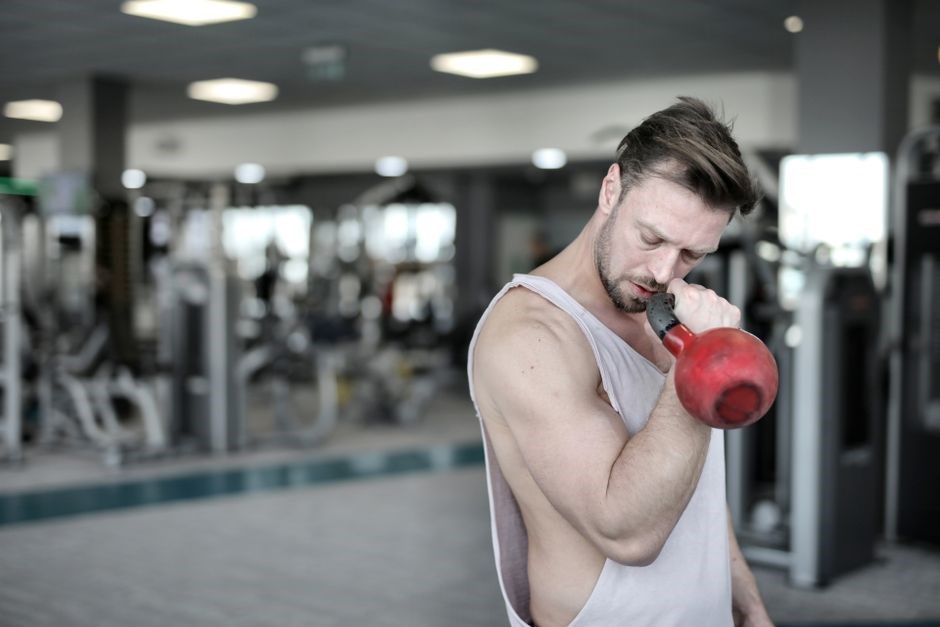
In kettlebell PDFs‚ the swing and goblet squat are foundational. The swing trains posterior chain‚ core stability‚ and cardiovascular endurance. Begin with feet hip‑width apart‚ grip the handle‚ hinge at hips‚ and swing to chest height or overhead. Maintain a neutral spine‚ engage abs‚ and use hip thrust to propel the weight. Repetition range: 15–20 for beginners‚ 20–30 for intermediates‚ 30+ for advanced. Proper form reduces knee strain and maximizes hip power.
The goblet squat targets quads‚ glutes‚ and core. Hold the kettlebell by the handle at chest level‚ elbows tucked. Squat until thighs parallel or slightly below‚ keeping chest up and back straight. Push through heels‚ drive hips forward‚ and return to standing. This movement improves squat mechanics and enhances grip strength. Suggested sets: 3–4‚ reps 8–12 for beginners‚ 10–15 for intermediates‚ 12–20 for advanced. Rest 60–90 seconds between sets.
Combining both exercises in a circuit yields a full‑body stimulus. For example: 3 rounds of 12 swings‚ 10 goblet squats‚ 12 kettlebell deadlifts‚ 10 overhead presses. This structure boosts muscular endurance and calorie burn. Adjust weight based on body weight: 12–16 lb for women‚ 20–24 lb for men‚ scaling up as strength improves. Always warm up with light mobility drills and cool down with static stretches to maintain joint health.
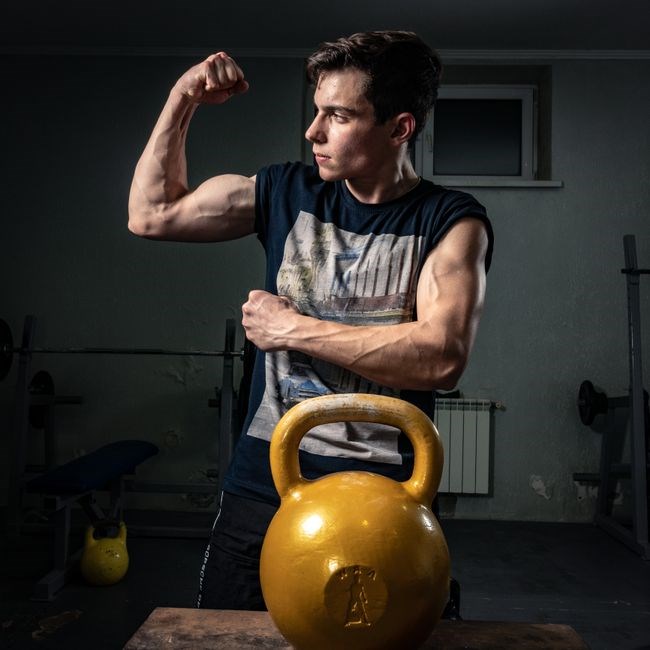
Progression tips: add a pause at the top of the swing‚ increase tempo‚ or switch to a double kettlebell for advanced athletes. For goblet squat‚ incorporate a pause at the bottom‚ add a pulse‚ or use a heavier kettlebell. Always monitor breathing: inhale on the eccentric phase‚ exhale on the concentric. Avoid letting the kettlebell swing too high; it should stay within shoulder height to protect the shoulders and maintain control.
Grip considerations: use a towel or glove if the handle is slippery. The handle should be firm; a worn handle can cause slips. If you experience wrist pain‚ try a lighter weight or adjust hand position slightly. Consistent practice builds a strong‚ ergonomic grip that translates to other lifts.
Recovery: hydrate‚ consume protein within 30 minutes post‑workout‚ and allow at least 48 hours before repeating the same heavy swing routine. Light active recovery like walking or yoga helps flush lactate and promotes muscle repair. They are scalable‚ efficient‚ and safe when performed correctly.!!!!!!!!
Turkish Get‑Up and Snatch
Turkish Get‑Up (TGU) is a full‑body‚ joint‑protective movement that builds stability‚ mobility‚ and core strength. Start lying on the floor‚ kettlebell in one hand‚ arm fully extended. Roll to a side‚ press the kettlebell overhead‚ and sequentially lift hips‚ knees‚ and torso to a standing position while keeping the arm locked. The sequence—lying‚ side‑lying‚ kneeling‚ standing—requires precise hip hinge mechanics and shoulder control. For beginners‚ use a light 12‑16 lb kettlebell; intermediates progress to 20‑24 lb‚ and advanced lifters may use 28 lb or heavier. Focus on breathing: inhale during the descent‚ exhale on the ascent. Maintain a neutral spine‚ avoid arching the back‚ and keep the elbow close to the body. Repetition ranges: 3–5 sets of 3–5 reps per side for beginners‚ 4–6 sets of 4–6 reps for intermediates‚ and 5–7 sets of 5–7 reps for advanced athletes. Rest 60–90 seconds between sets to preserve form. The kettlebell snatch is a high‑velocity‚ explosive exercise that targets the posterior chain‚ shoulders‚ and grip. Begin with the kettlebell on the floor‚ feet shoulder‑width apart. Pull the kettlebell up in one fluid motion‚ swinging it from the hips to overhead‚ locking the elbow‚ and fully extending the arm. The snatch develops power‚ improves shoulder stability‚ and enhances cardiovascular conditioning. Start with a 12‑16 lb kettlebell for beginners‚ 20‑24 lb for intermediates‚ and 28 lb or more for advanced lifters. Perform 3–4 sets of 8–12 reps per arm. Keep the core braced‚ hips squared‚ and avoid excessive torso rotation. A proper snatch also trains the hip hinge and improves dynamic balance. Warm‑up with light swings‚ mobility drills‚ and a few sub‑maximal snatches before progressing to heavier loads. Consistent practice of both TGU and snatch builds functional strength‚ joint resilience‚ and overall athleticism. By mastering these movements‚ you create a versatile foundation that supports advanced kettlebell techniques‚ improves daily functional performance‚ and enhances overall fitness confidence. Consistent repetition‚ proper progression‚ and mindful recovery are key to unlocking the full potential of these kettlebell staples. Keep it
How to Adapt Workouts to Time Constraints
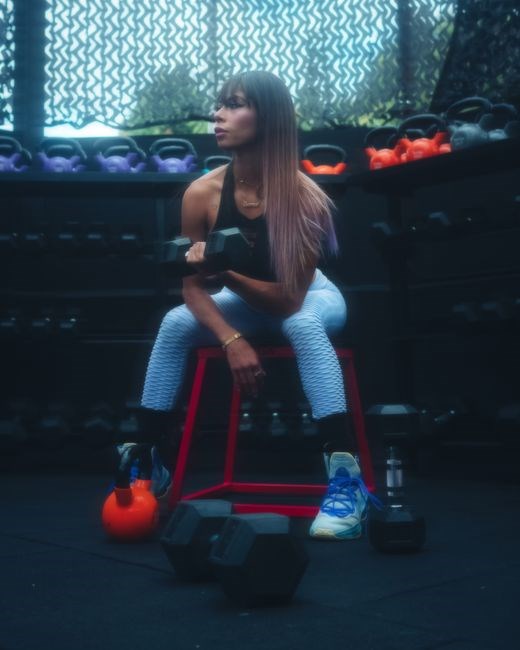
Use a 10‑minute burst of kettlebell swings‚ goblet squats‚ and snatches‚ then a 20‑minute circuit of swings‚ cleans‚ and presses. For 30‑min‚ add a 5‑min warm‑up and a cool‑down. Adjust reps or rest to fit the clock‚ keeping form. Stay consistent!!!!
Adjusting for 10‚ 20‚ or 30 Minutes
Adapting a kettlebell routine to fit 10‚ 20‚ or 30 minutes is straightforward. Start with a brief warm‑up—5 minutes of dynamic stretches and light swings—to activate the core and hips. For a 10‑minute session‚ choose a single compound movement‚ such as the swing‚ and perform 3 sets of 10–12 reps with 30‑second rest between sets. If you have 20 minutes‚ add a second movement‚ like the goblet squat‚ and alternate 2‑minute work blocks with 30‑second rests‚ completing 3 rounds of each. A 30‑minute workout allows for a full circuit: swing‚ goblet squat‚ clean‚ and press‚ each for 45 seconds‚ followed by 15‑second transitions. Keep the tempo steady‚ focus on form‚ and use the printable PDF as a guide to track sets‚ reps‚ and time. Adjust the weight if you need to shorten the rest or increase intensity‚ ensuring you stay within the allotted time.
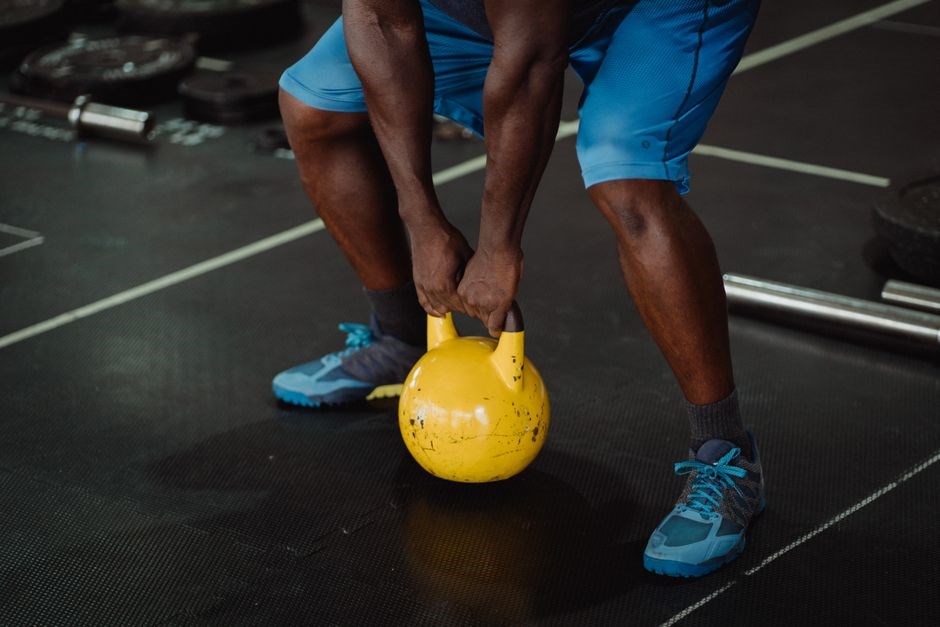
Use the printable PDF to log each set‚ noting the weight‚ reps‚ and rest duration. For a 10‑minute focus‚ keep the rest to 15 seconds to maintain intensity. In a 20‑minute window‚ insert a brief 1‑minute core finisher like a kettlebell Russian twist‚ then resume the main circuit. The 30‑minute plan can include a 5‑minute cool‑down with light swings and hip mobility drills. Adjust the kettlebell weight upward if you complete the prescribed reps comfortably‚ ensuring progressive overload while respecting time limits.
Remember to hydrate between sets. If you’re short on time‚ use a lighter kettlebell to preserve form and safety. Consistent enjoy the burn!
Single‑Round Variations
When time is limited‚ a single‑round kettlebell routine delivers a punchy‚ efficient workout. Start with a 30‑second warm‑up of light swings and shoulder circles. Then move into a 3‑minute circuit: 45 seconds of kettlebell swings‚ 15 seconds rest‚ 45 seconds goblet squats‚ 15 seconds rest‚ 45 seconds clean & press‚ 15 seconds rest‚ 45 seconds Turkish get‑ups‚ 15 seconds rest. Finish with a 30‑second cooldown of gentle hip flexor stretches. Use the printable PDF to track the weight and ensure you stay within the 3‑minute window. If you prefer a higher intensity‚ reduce the rest to 10 seconds or increase the kettlebell weight by 5 kg. The key is to maintain strict form throughout the single round‚ focusing on hip hinge mechanics‚ shoulder stability‚ and core bracing. This variation is ideal for busy mornings‚ quick gym sessions‚ or a high‑intensity interval training (HIIT) style workout that still targets strength and cardio simultaneously.
Add a 30‑second core finisher like a kettlebell plank row or a side‑bridge to hit obliques. Swap the clean & press for a snatch to boost power. Keep tempo steady; aim for a 2‑second eccentric phase and a 1‑second concentric lift. Breathe out on effort‚ inhale on return. This single‑round format can be repeated daily or used as a warm‑up before heavier lifts‚ ensuring cardiovascular conditioning while building functional strength. Keep consistent‚ stay hydrated‚ and trust the process.
Choosing the Right Kettlebell and Safety Tips
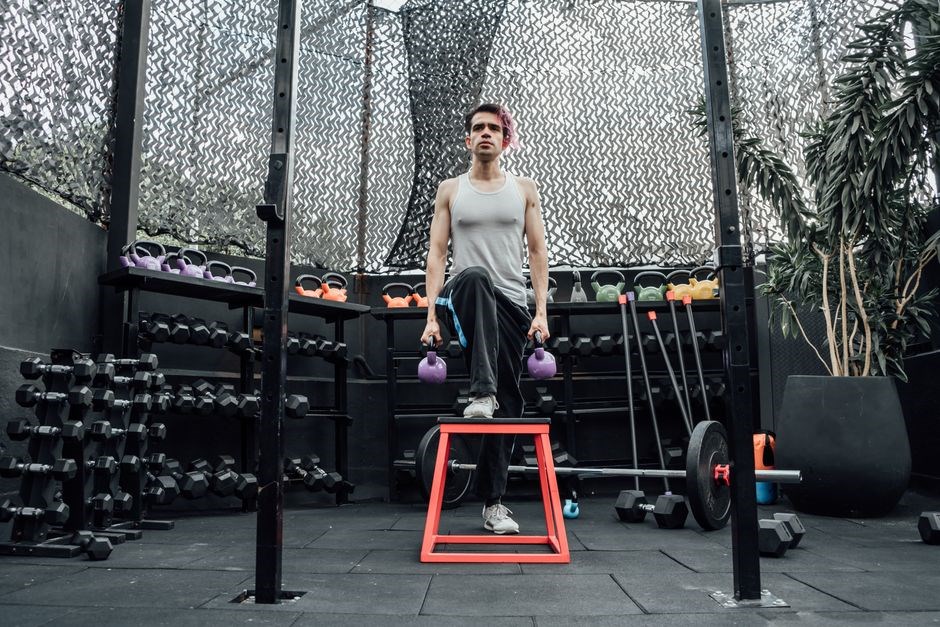
Select a weight that allows 10–12 reps with p form. Start lighter‚ progress. Ensure the handle fits your grip; use gloves if needed. Warm up‚ maintain core tension‚ keep back neutral‚ breathe steadily. Store kettlebells away from children. Enjoy
Selecting Weight by Body Weight
Choosing the correct kettlebell weight is essential for safety and effectiveness. A common rule of thumb is to base the weight on your body mass and training experience. For beginners‚ men typically start with 12–16 kg (26–35 lb) and women with 8–12 kg (18–26 lb). These ranges allow you to perform 10–12 controlled repetitions of fundamental movements such as swings‚ goblet squats‚ and Turkish get‑ups without compromising form.
For intermediate lifters‚ men may increase to 16–24 kg (35–53 lb) and women to 12–16 kg (26–35 lb)‚ ensuring each exercise remains challenging yet manageable. Advanced practitioners often use 24–32 kg (53–70 lb) or heavier‚ depending on the exercise’s demand and their strength level. Always test a weight in a light set before committing to a full workout.
When selecting a kettlebell‚ consider the handle’s diameter and material. A thicker handle (≈ 2 cm) offers better grip for heavier loads‚ while a smooth‚ rubber‑coated handle reduces wrist strain. If you have a history of wrist or shoulder issues‚ opt for a handle that provides extra comfort or use a wrist sleeve.
Remember to progress gradually. Increase the kettlebell by 2–4 kg (4–8 lb) once you can finish 15–20 repetitions with proper technique. Conversely‚ if you struggle to finish 8–10 reps‚ reduce the weight or break the set into smaller segments. Consistent monitoring of form and fatigue will guide your weight adjustments. Keep a training log to track progressdaily.
Grip and Handle Considerations
Choosing a kettlebell handle that matches your grip style is crucial for both performance and injury prevention. Handles come in several diameters: thin (≈ 1.5 cm)‚ medium (≈ 2;0 cm)‚ and thick (≈ 2.5 cm). A thinner handle is ideal for lighter loads and exercises that require a tight wrist position‚ such as kettlebell snatches or high‑pulls. A thicker handle‚ however‚ offers a more secure grip when lifting heavier weights‚ reducing the risk of slippage during swings or Turkish get‑ups.
Material also matters. Smooth metal handles can be slippery‚ especially when sweat accumulates; rubber or silicone coatings provide a tacky surface that improves control. Some kettlebells feature a textured surface or a “grip ring” that further enhances friction. If you have a history of hand or wrist pain‚ consider a handle with a cushioned or ergonomic design to distribute pressure evenly.
Grip strength is a limiting factor for many lifters. Incorporating grip drills—such as farmer’s carries‚ dead hangs‚ or towel pulls—into your routine can increase forearm endurance and improve your hold on the kettlebell. Additionally‚ using a wrist brace or wrap during heavy sets can offer extra support‚ especially for those recovering from injury.
When selecting a kettlebell‚ test the handle by holding it in a relaxed position and performing a light swing. If the handle feels unstable or uncomfortable‚ it may not be suitable for your training style. A well‑chosen handle not only protects your hands but also enhances overall workout efficiency. Remember‚ a comfortable grip translates to better form and less fatigue. Grip matters.