Pilates Exercises for Beginners: A Comprehensive Guide
Beginners Matwork Pilates Workout resources, including mobility, flexibility, and coordination guides, are readily available in PDF format for convenient access and practice․
These downloadable guides offer structured routines perfect for those starting their Pilates journey, providing easy-to-follow instructions․
Exploring these Pilates exercises for beginners PDF options empowers individuals to build a solid foundation and experience the benefits of Pilates at their own pace․
What is Pilates?
Pilates, developed by Joseph Pilates, is a low-impact exercise method focused on strengthening muscles while improving postural alignment and flexibility․
It emphasizes core strength, control, precision, and breath – principles crucial for effective movement and overall well-being․
Unlike some workouts, Pilates doesn’t solely focus on building bulk; it aims to create a balanced physique with long, lean muscles․
Many resources, including Pilates exercises for beginners PDF guides, demonstrate how to perform foundational movements correctly․
These PDFs often break down exercises into manageable steps, making it accessible for newcomers to understand the technique and proper form․
The method is adaptable to all fitness levels, and beginner Pilates routines often utilize matwork, requiring minimal equipment․
Ultimately, Pilates is a holistic practice that benefits both physical and mental health, promoting body awareness and mindful movement․
The Core Principles of Pilates
Pilates revolves around several core principles, including centering, concentration, control, precision, breath, and flow․
Centering emphasizes initiating movement from the “powerhouse” – the core muscles – providing stability and control․
Concentration demands mindful attention to each exercise, ensuring proper form and maximizing effectiveness․
Control is paramount, preventing momentum and engaging muscles throughout the entire range of motion․
Precision focuses on accurate alignment and technique, minimizing risk of injury and optimizing results․
Pilates exercises for beginners PDF guides often highlight these principles, offering detailed cues for proper execution․
Breath coordination is vital, synchronizing inhalation and exhalation with movements to enhance core engagement and promote relaxation․
Finally, flow integrates movements seamlessly, creating a graceful and efficient sequence, as demonstrated in many beginner PDF resources․
Benefits of Pilates for Beginners
Pilates offers a wealth of benefits, particularly for those new to exercise․ It strengthens core muscles, improving posture and stability, and enhances flexibility and mobility․
Many find Pilates increases body awareness, promoting better movement patterns and reducing the risk of injury․
It’s a low-impact workout, making it suitable for all ages and fitness levels, and can alleviate back pain by strengthening supporting muscles․
Pilates exercises for beginners PDF resources often emphasize modifications, allowing individuals to adapt exercises to their capabilities․
Regular practice can improve balance, coordination, and muscle endurance, contributing to overall physical well-being․
Furthermore, the mindful breathing techniques incorporated into Pilates can reduce stress and promote mental clarity․
These PDF guides provide a convenient way to access these benefits from the comfort of your home․
Pilates vs․ Yoga: Key Differences
While both Pilates and Yoga improve flexibility and strength, they differ in their core philosophies and techniques․ Yoga often incorporates spiritual elements and holding poses, while Pilates focuses on precise movements and core engagement․
Pilates emphasizes building core strength to support the spine, whereas Yoga often prioritizes stretching and relaxation․
Pilates exercises frequently utilize equipment like the Reformer, though matwork is common, while Yoga primarily relies on bodyweight․
Pilates exercises for beginners PDF guides typically detail precise form and muscle activation, differing from Yoga’s emphasis on breath and flow․
Both are beneficial, but Pilates may be preferred for rehabilitation or targeted core work, while Yoga excels in stress reduction and mindfulness․
Ultimately, the best choice depends on individual goals and preferences․
Exploring both through introductory resources can help determine which practice resonates most․
Pilates vs․ Lagree: Understanding the Workouts
Lagree, a high-intensity, low-impact workout, builds upon Pilates principles but significantly increases the challenge through the use of a Megaformer machine․
While traditional Pilates emphasizes controlled movements and core stabilization, Lagree incorporates spring resistance and slow, deliberate repetitions to fatigue muscles․
Pilates exercises for beginners PDF resources often focus on foundational movements and proper form, preparing individuals for more advanced variations․
Lagree, conversely, pushes participants to their limits, demanding significant strength and endurance․
Both methods strengthen the core, but Lagree aims for muscular hypertrophy and metabolic conditioning to a greater extent․
Pilates is often recommended for rehabilitation and postural correction, while Lagree is favored for sculpting and toning․
Beginners should master Pilates fundamentals before attempting Lagree․
Getting Started with Pilates
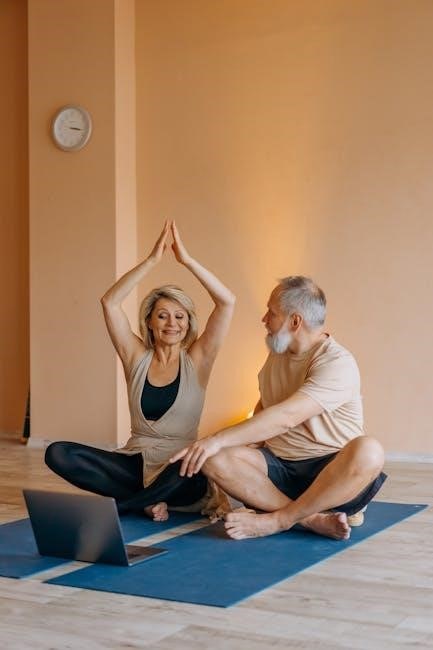
Pilates exercises for beginners PDF guides provide accessible routines, enabling individuals to learn foundational movements and proper form conveniently at home․
These resources are ideal for initiating your Pilates journey․
Essential Equipment for Beginner Pilates
Fortunately, beginning your Pilates practice doesn’t demand expensive equipment! Many excellent Pilates exercises for beginners are effectively performed using just a mat – and readily available PDF guides can demonstrate these perfectly․
However, certain items can enhance your experience and support proper alignment․ A quality exercise mat is crucial for cushioning and grip․ Resistance bands, often featured in beginner Pilates exercises PDFs, add challenge and versatility․
Small Pilates balls can assist with core engagement and spinal mobility, frequently illustrated in downloadable routines․ While not essential initially, a Pilates ring (or magic circle) can intensify exercises as you progress, as shown in more advanced PDFs․ Ultimately, a willingness to learn and a comfortable space are the most important “equipment” to start!
Finding a Qualified Pilates Instructor
While numerous Pilates exercises for beginners are accessible through PDF guides and online resources, personalized instruction from a qualified instructor is invaluable, especially when starting․
Look for instructors certified by reputable organizations, ensuring they possess a comprehensive understanding of anatomy, biomechanics, and Pilates principles․ A good instructor will assess your fitness level and tailor exercises – potentially supplementing PDF routines – to your specific needs․
Consider instructors offering introductory packages or small group classes․ Don’t hesitate to ask about their experience and teaching philosophy․ A skilled instructor can provide real-time feedback on your form, preventing injuries and maximizing the benefits of your practice, even when you later utilize PDF-based workouts independently․
Pilates Class Etiquette and Tips
Whether you’re supplementing in-studio classes with Pilates exercises for beginners found in PDF guides, or primarily learning independently, understanding proper etiquette enhances your experience and respects others․
Arrive on time, allowing space for setup․ Inform the instructor of any injuries or limitations before class, even if you’ve noted them in a PDF workout plan․ Focus on your own form, avoiding comparisons․
Keep conversation minimal during instruction․ If using shared equipment, wipe it down after use․ Remember, Pilates emphasizes control and precision; prioritize quality over quantity of repetitions, mirroring the detailed instructions often found in beginner PDF resources․ Listen attentively to cues and ask questions when needed – a proactive approach to learning!
Beginner Pilates Exercises: Matwork Focus
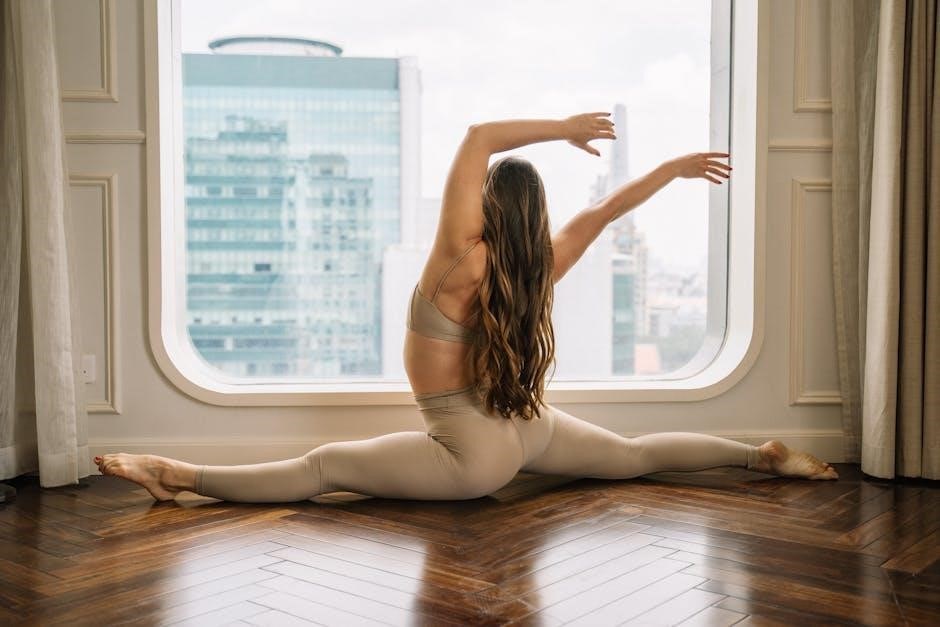
Many Pilates exercises for beginners are conveniently outlined in PDF guides, focusing on matwork to build foundational strength and control with accessible routines․
The Hundred
The Hundred is a classic Pilates exercise, often found detailed in Pilates exercises for beginners PDF guides, designed to warm the body and engage the core․ It involves lying supine with knees bent and feet flat, then curling the head and shoulders off the mat while pumping the arms vigorously․
Beginners often modify this exercise by keeping the head down or bending the knees more to reduce strain․ The goal is to complete 100 pumps of the arms, broken into sets of five or ten, coordinating with inhales and exhales․ PDF resources typically provide visual cues and step-by-step instructions․
Focus on maintaining core engagement throughout the movement, preventing the lower back from arching․ Mastering The Hundred builds core strength, improves circulation, and establishes proper breathing techniques – essential for all Pilates exercises․ It’s a foundational exercise for building a strong Pilates practice․
Roll Up
Roll Up is a fundamental Pilates exercise frequently illustrated in Pilates exercises for beginners PDF materials, focusing on spinal articulation and core strength․ Starting supine with legs extended and arms overhead, the exercise involves slowly curling the spine off the mat, reaching towards the toes․
Beginner PDF guides often recommend modifications like bending the knees or using arms to assist the movement․ Maintaining a controlled, slow pace is crucial, emphasizing the engagement of the abdominal muscles throughout the entire range of motion․ Proper breathing is also highlighted – exhaling as you roll up․
Roll Up improves spinal mobility, strengthens the core, and enhances body awareness․ Detailed instructions and visual aids in PDF resources help beginners understand the correct form and avoid common mistakes, like pulling with the neck or rushing the movement․
Single Leg Circles
Single Leg Circles, a common exercise found in Pilates exercises for beginners PDF guides, focuses on hip mobility, core stability, and leg strength․ Starting supine with one leg extended towards the ceiling and the other bent, the extended leg performs small, controlled circles․
PDF resources emphasize maintaining a stable pelvis and engaging the core to prevent lower back arching․ Beginners are often advised to start with smaller circles and gradually increase the range of motion as strength improves․ Modifications, like slightly bending the supporting leg, are frequently suggested․
This exercise improves hip joint articulation, strengthens the deep core muscles, and enhances coordination․ Detailed instructions within PDFs often include cues for proper alignment and breathing, ensuring safe and effective execution․
Rolling Like a Ball
Rolling Like a Ball, frequently detailed in Pilates exercises for beginners PDFs, is a dynamic exercise that challenges core control, spinal mobility, and balance․ Starting in a seated position, knees bent into the chest, and hands holding the shins, the body rocks back onto the shoulders and then rolls back up to the starting position․
PDF guides stress maintaining a C-curve in the spine throughout the movement and avoiding rolling onto the neck․ Beginners are encouraged to start with small rocks and gradually increase the range of motion․ Modifications, like keeping feet on the floor initially, are often provided․
This exercise strengthens the abdominal muscles, improves spinal articulation, and enhances body awareness․ Instructions in PDFs emphasize controlled movement and proper breathing techniques for optimal results․
Spine Stretch Forward
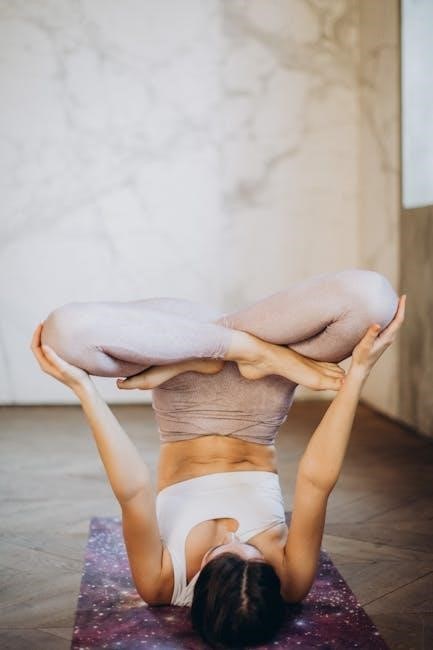
Spine Stretch Forward, a foundational exercise often illustrated in Pilates exercises for beginners PDFs, focuses on spinal articulation and hamstring flexibility․ Beginning seated with legs extended forward and arms reaching forward, the practitioner inhales to prepare and exhales to curl the spine forward, reaching towards the toes․
PDF guides emphasize maintaining a C-curve in the spine and avoiding rounding the lower back․ Beginners are advised to keep a slight bend in the knees if hamstrings are tight․ The exercise promotes core engagement and improves posture․
Detailed instructions within these PDFs highlight the importance of controlled movement and coordinating breath with the spinal curl, ensuring a safe and effective stretch․ It’s a key exercise for developing spinal mobility․
Intermediate Beginner Pilates Exercises
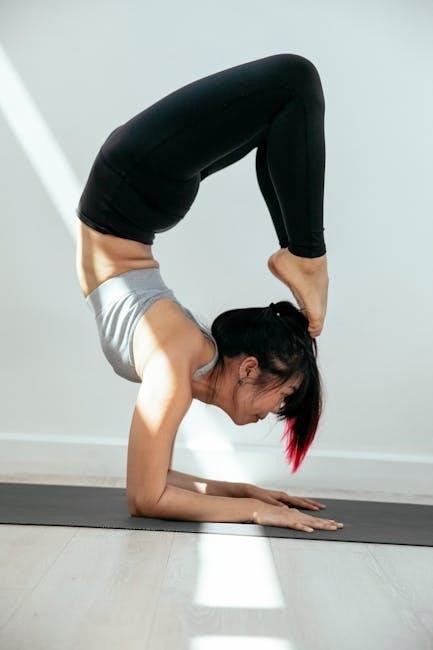
Pilates exercises for beginners PDFs often transition to routines like Single Leg Stretch, Double Leg Stretch, Criss-Cross, and Spine Twist, building upon foundational movements․
Single Leg Stretch
Single Leg Stretch is a classic Pilates mat exercise frequently detailed in Pilates exercises for beginners PDF guides․ It effectively targets the abdominal muscles while enhancing coordination and control․
Begin lying supine with knees bent towards your chest․ Curl your head and shoulders off the mat, maintaining a stable core․ Extend one leg long while simultaneously pulling the opposite knee closer to your chest․
Alternate legs in a rhythmic, controlled manner, keeping your lower back pressed into the mat․ Many PDFs emphasize maintaining a “C” curve in the spine and breathing deeply throughout the exercise․
Focus on initiating the movement from your core, not your hips, and avoid straining your neck․ Beginners may find it helpful to modify the exercise by keeping the head down initially, as shown in many beginner Pilates PDFs․
Double Leg Stretch
The Double Leg Stretch is a foundational Pilates exercise often included in Pilates exercises for beginners PDF resources, designed to strengthen the core and improve coordination․ It builds upon the principles established in the Single Leg Stretch․
Start by lying supine with knees bent into your chest and hands resting on your shins․ Curl your head and shoulders off the mat, maintaining core engagement․ Simultaneously extend your arms overhead and legs long, keeping your lower back pressed firmly into the mat․
Circle your arms around to embrace your knees as you return to the starting position․ PDF guides often highlight the importance of controlled breathing and maintaining spinal stability throughout the movement․
Beginners may modify by keeping the head down or reducing the range of motion․ Focus on initiating the movement from your core, not momentum, as detailed in many beginner Pilates PDFs․
Criss-Cross
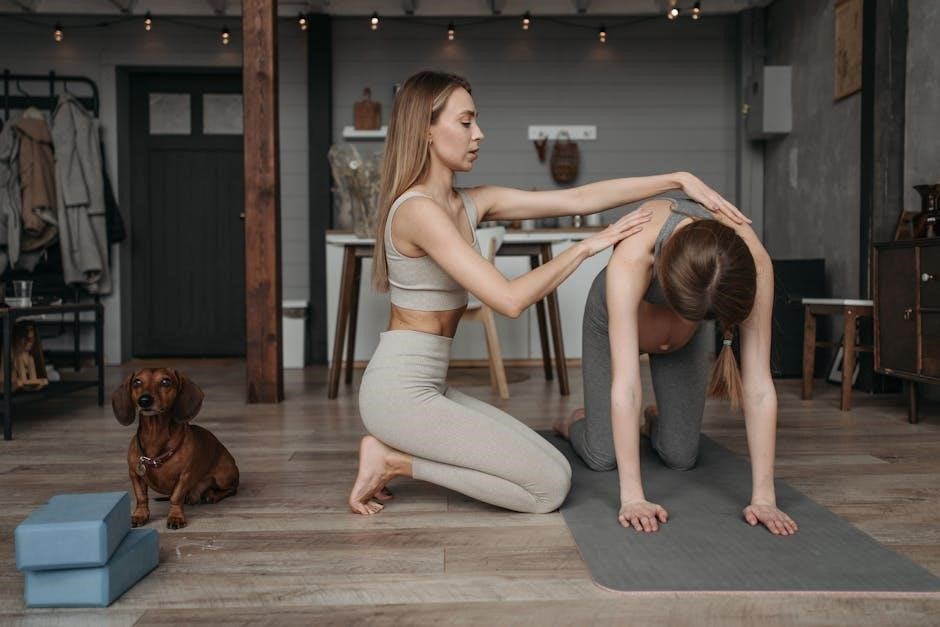
Criss-Cross, a dynamic core exercise, is frequently featured in Pilates exercises for beginners PDF guides, targeting the obliques and enhancing rotational strength․ It’s a progression from foundational movements like the Single Leg Stretch․
Begin lying supine with knees bent into your chest, hands lightly behind your head supporting the neck․ Curl your head and shoulders off the mat, maintaining core engagement․ Rotate your torso, bringing your right elbow towards your left knee while extending your right leg․
Alternate sides, bringing your left elbow towards your right knee and extending your left leg․ PDF resources emphasize maintaining a stable pelvis and controlled breathing throughout the twisting motion․
Beginners can modify by reducing the range of rotation or keeping the head down․ Many Pilates for beginners PDFs stress initiating the twist from the waist, not pulling with the neck․
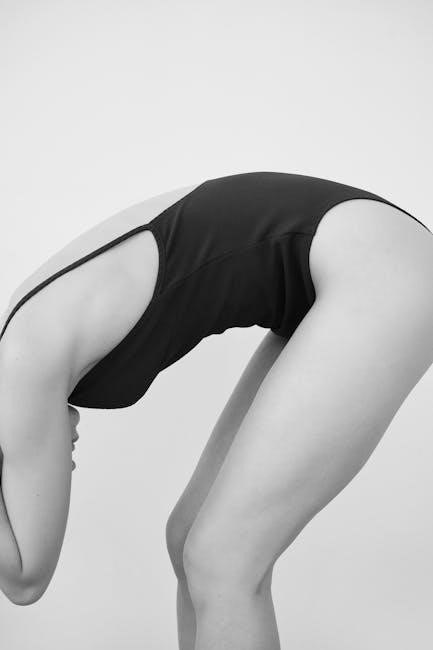
Spine Twist
The Spine Twist is a foundational Pilates exercise often detailed in Pilates exercises for beginners PDFs, designed to improve spinal mobility and oblique strength․ It’s a gentle yet effective movement for core engagement and postural awareness․
Begin lying supine with knees bent and feet flat on the floor, arms extended to the sides at shoulder height․ Inhale to prepare, then exhale as you gently drop both knees to one side, keeping your shoulders flat on the mat․
Inhale to return to center, and exhale to drop your knees to the opposite side․ PDF guides often highlight the importance of keeping the lower back grounded and avoiding strain․
Beginners may find it helpful to keep their knees bent at a wider angle․ Many Pilates for beginners PDFs recommend visualizing rotating from the waist, rather than forcing the movement․
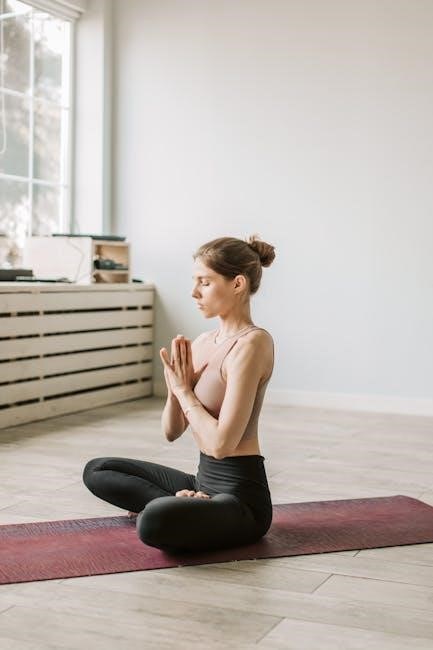
Pilates for Core Strength
Pilates exercises for beginners PDFs emphasize core engagement, targeting the rectus abdominis, obliques, and lower back for stability and support․
These resources detail how to activate these muscles effectively․
Understanding Core Engagement in Pilates
Core engagement is fundamental to Pilates, and many Pilates exercises for beginners PDF guides prioritize teaching this crucial skill from the outset․ It’s not simply about tightening your abdominal muscles; it’s a deeper activation involving multiple muscle groups working synergistically․
These PDF resources often explain how to draw the navel towards the spine – a technique known as “scooping” – while maintaining a neutral spine․ This action activates the transversus abdominis, the deepest core muscle, providing stability without bulk․
Beginner Pilates PDFs frequently illustrate how proper core engagement supports the spine, improves posture, and enhances the effectiveness of every exercise․ They emphasize breathing techniques, as coordinated breathing is integral to maintaining core stability throughout each movement․ Learning to engage the core correctly prevents injury and maximizes the benefits of Pilates․
Pilates Exercises Targeting the Obliques
Many Pilates exercises for beginners PDFs dedicate sections to strengthening the obliques – the muscles along the sides of your torso – crucial for rotational stability and a sculpted core․ These guides often feature exercises like Spine Twist and Criss-Cross, demonstrating proper form and modifications․
PDF resources emphasize controlled movements, focusing on initiating the twist from the waist rather than forcing it with the arms․ They highlight the importance of maintaining a lengthened spine and engaging the core throughout each rotation․
Beginner Pilates PDFs also include variations, such as performing Single Leg Stretch with a slight twist, to further challenge the obliques․ These exercises improve core strength, enhance spinal mobility, and contribute to a balanced physique, all detailed within these accessible guides․
Pilates Exercises for Lower Back Support
Pilates exercises for beginners, often detailed in PDF guides, prioritize lower back support by strengthening the core muscles that stabilize the spine․ These resources frequently showcase exercises like Roll Up and Spine Stretch Forward, emphasizing controlled articulation and proper alignment․
PDFs highlight the importance of maintaining a neutral spine – avoiding excessive rounding or arching – during these movements․ They often include modifications for individuals with existing lower back pain, such as bending the knees or reducing the range of motion․
Exercises like The Hundred, when performed correctly as illustrated in beginner Pilates PDFs, engage the deep core muscles, providing essential support for the lower back․ These guides aim to build strength and flexibility, promoting a healthier and more resilient spine․

Resources for Pilates Beginners
Numerous Pilates exercises for beginners are available in convenient PDF downloads, offering structured workouts and easy-to-follow instructions for home practice․
Free Pilates Videos Online
Pilates enthusiasts starting their fitness journey can find a wealth of free resources online, complementing Pilates exercises for beginners PDF guides․ Many platforms host introductory videos demonstrating fundamental movements and proper form․
These videos often break down exercises step-by-step, making them accessible for those unfamiliar with Pilates principles․ Searching for “beginner Pilates matwork” or “Pilates for beginners” on platforms like YouTube reveals numerous options․
Look for instructors who emphasize core engagement and controlled movements․ Combining video instruction with a downloadable PDF provides a comprehensive learning experience, allowing individuals to visualize techniques and then practice independently with a structured routine․ Remember to prioritize proper form over speed to prevent injuries and maximize benefits․
Pilates for Beginners PDF Downloads
Pilates exercises for beginners PDF downloads offer a convenient and portable way to access structured workout routines․ These resources often include detailed exercise descriptions, visual aids, and modifications for varying fitness levels․
Many free and premium PDF guides are available online, catering to different needs and preferences․ Look for guides that focus on matwork, as this is a common starting point for beginners․ These guides typically cover foundational exercises like The Hundred, Roll Up, and Single Leg Circles․
Downloading a PDF allows you to print the routine or view it on your device during your workout, providing a tangible reference point․ Supplementing these PDFs with online videos can further enhance your understanding and ensure proper form, maximizing the benefits of your Pilates practice․
Pilates Class Planning Tips
When utilizing Pilates exercises for beginners, a well-planned class is crucial․ Consider incorporating PDF resources as supplementary materials, offering students a take-home reference for proper form and sequencing․
Focus on foundational movements, ensuring clear and concise instructions․ Break down each exercise into manageable steps, emphasizing core engagement and breath control․ Prioritize quality over quantity, encouraging students to master the basics before progressing․
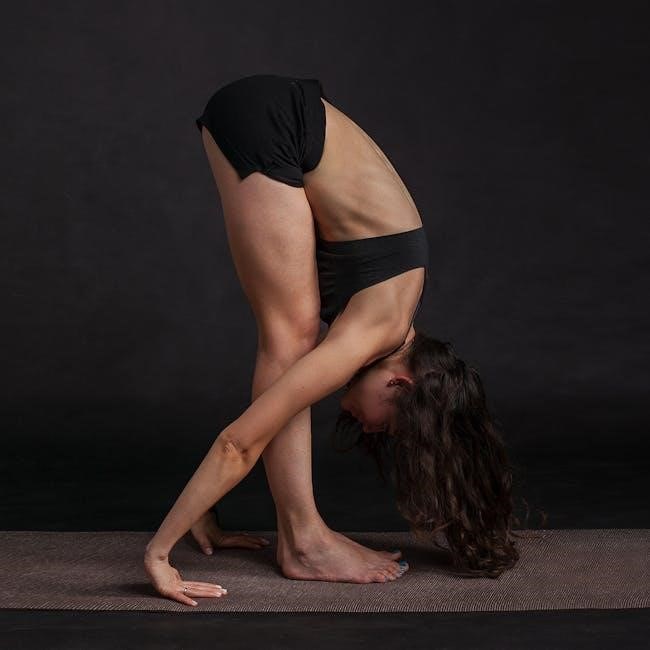
A successful class plan includes modifications for different fitness levels and potential limitations․ Referencing Pilates exercises for beginners PDFs can provide visual examples of these modifications․ Remember to create a welcoming and supportive environment, fostering confidence and encouraging students to listen to their bodies․