Music’s core comprises eleven key elements – harmony, rhythm, texture, and more – building blocks for emotional expression and storytelling through sound.
What are the Core Elements?
The fundamental elements of music – rhythm, melody, harmony, timbre, dynamics, texture, and form – are universally present in compositions. These building blocks define musical structure and experience. Pitch, duration, and tempo also play integral roles, shaping mood and progression. Understanding these elements unlocks deeper appreciation and creative potential within music.
Why Understanding Music Elements is Important
Grasping these musical elements enhances appreciation, allowing listeners to dissect and enjoy compositions on a deeper level. For musicians, it’s crucial for creation, analysis, and effective communication. Comprehending these basics empowers both beginners and experienced individuals to unlock music’s full expressive potential and sonic landscapes.
Melody: The Linear Aspect
Melody represents music’s linear progression, a sequence of pitches forming a recognizable and memorable musical idea, crucial for emotional impact.
Defining Melody and its Characteristics
Melody is a succession of pitches and rhythms perceived as a single entity; it’s the ‘tune’ of a piece. Characteristics include pitch, contour (shape), intervals between notes, and rhythmic patterns. A strong melody is often memorable and emotionally resonant, forming the foundation for musical expression and storytelling through sound.
Melodic Contour and Intervals
Melodic contour describes the ‘shape’ of a melody – whether it ascends, descends, or remains static. Intervals are the distances between pitches, defining the melodic character. These elements contribute to a melody’s expressiveness, creating tension, release, and overall musical interest, shaping how we perceive and remember a tune.
Harmony: Vertical Sound
Harmony involves chords and progressions, creating a vertical dimension to music, exploring consonance and dissonance for rich sonic textures and emotional depth.
Chords and Chord Progressions
Chords, built from multiple notes played simultaneously, form the foundation of harmonic structure, providing depth and color. Chord progressions, sequences of chords, create musical movement and establish tonal centers, guiding the listener’s ear through a composition. These progressions evoke specific emotions and define a piece’s harmonic character, influencing its overall mood and impact.
Consonance and Dissonance in Harmony
Harmony balances consonance – stable, pleasing intervals – with dissonance – unstable, tension-creating intervals. Dissonance often resolves to consonance, driving harmonic motion and adding emotional complexity. Composers skillfully manipulate these contrasts to build anticipation, release tension, and shape the listener’s experience, creating a dynamic and engaging musical journey.
Rhythm: The Organization of Time
Rhythm organizes sound in time using beat, meter, and tempo, creating patterns and syncopation that drive the music’s pulse and feel.
Beat, Meter, and Tempo
Beat is the basic unit of time, while meter organizes beats into recurring patterns, like groups of two, three, or four. Tempo dictates the speed – allegro is fast, andante moderate – influencing the music’s overall character and energy. These elements work together to establish a foundational rhythmic structure.
Rhythmic Patterns and Syncopation
Rhythmic patterns are arrangements of long and short sounds and silences, creating musical phrases. Syncopation deliberately disrupts the expected beat, adding excitement and complexity. These patterns, alongside syncopation, contribute significantly to a piece’s groove and overall rhythmic feel, making music engaging.
Timbre (Tone Color): The Unique Sound
Timbre, or tone color, defines a sound’s unique quality, differentiating instruments and voices; it’s a crucial element in musical expression.
Instrumental Timbre
Instrumental timbre arises from the instrument’s construction and how it vibrates, creating distinct sonic characteristics. A violin’s bright tone contrasts with a cello’s richer sound, while a trumpet’s brassy quality differs from a flute’s airy one. Orchestration leverages these timbral differences, blending instruments to achieve varied textures and expressive colors, profoundly impacting a composition’s overall aesthetic and emotional impact.
Vocal Timbre and its Variations
Vocal timbre, the unique sound of a voice, is shaped by physiology and technique. Factors like resonance, breath control, and vocal cord structure create diverse qualities – bright, dark, breathy, or powerful. These variations, influenced by genre and style, contribute significantly to emotional expression and character portrayal within musical performances.
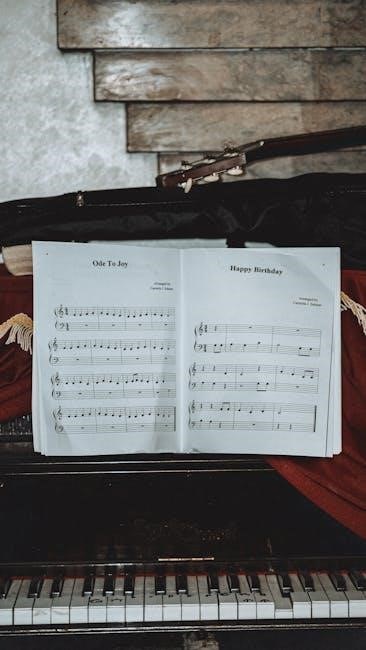
Dynamics: The Volume of Sound
Dynamics, indicated by markings like p (piano) and f (forte), control volume, adding expression and shaping the emotional impact of a musical piece.
Dynamic Markings (p, mf, f, etc.)
Dynamic markings are symbols instructing performers on volume levels. P signifies piano (soft), mf means mezzo forte (moderately loud), and f denotes forte (loud). Gradual changes include crescendo (increasing) and diminuendo (decreasing). These markings aren’t absolute; interpretation adds nuance, influencing the piece’s emotional depth and expressive qualities, guiding the musician’s performance.
Changes in Dynamics and Expression
Dynamic shifts profoundly impact musical expression, creating contrast and emotional impact. Sudden changes can denote drama, while gradual ones build tension or release it. Musicians utilize dynamics to shape phrases, highlight melodies, and convey the composer’s intent. These variations aren’t merely volume adjustments; they’re integral to the music’s narrative and feeling.
Texture: Layers of Sound
Musical texture describes how melodic, harmonic, and rhythmic elements combine, ranging from simple monophony to complex polyphony, defining sonic density.
Monophony, Homophony, and Polyphony
Monophony features a single melodic line, while homophony combines a melody with harmonic accompaniment. Polyphony intricately weaves multiple independent melodic lines together, creating rich textures. These textures define how layers interact, impacting a piece’s overall character and complexity, shaping the listener’s experience.
Density and Complexity of Texture
Texture’s density refers to how many musical layers are present; sparse textures feel open, while dense ones are full. Complexity arises from the relationships between these layers – simple or intricate. These factors profoundly influence a piece’s emotional impact and perceived weight, contributing to its overall sonic landscape.

Form: The Overall Structure
Musical form organizes sections with repetition, like binary, ternary, or rondo, creating a cohesive structure that guides the listener’s experience.
Binary, Ternary, and Rondo Forms
Binary form presents two contrasting sections, often labeled A and B, offering a simple structural framework. Ternary form (ABA) introduces a return to the initial theme, providing balance. Rondo form (ABACA) features a recurring main theme interspersed with contrasting episodes, creating a lively and engaging musical journey.
Musical Sections and Repetition
Musical form relies on sections – verses, choruses, bridges – to create structure and coherence. Repetition of melodic or rhythmic ideas establishes familiarity and unity. Variations on these themes provide interest, while contrasting sections offer dynamic shifts, ultimately shaping the listener’s experience and overall composition.
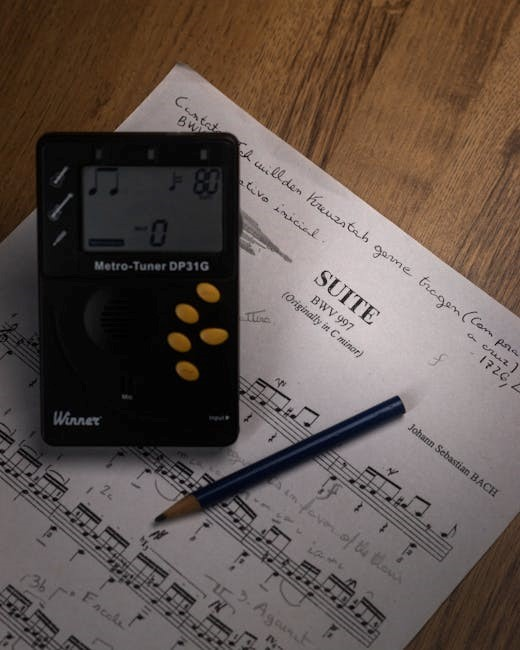
Pitch: Highness or Lowness of a Tone
Pitch, defined by frequency, utilizes the musical alphabet and scales, forming intervals and relationships crucial for melody and harmonic structure within compositions.
The Musical Alphabet and Scales
The musical alphabet—A, B, C, D, E, F, and G—forms the foundation for scales, defining pitch relationships. Scales, ordered sequences of notes, establish tonal centers and melodic possibilities. Major and minor scales evoke distinct emotional qualities, while chromatic scales explore all twelve tones. Understanding these structures is vital for composing and analyzing music, revealing harmonic and melodic patterns.
Intervals and Pitch Relationships
Intervals define the distance between two pitches, categorized by number and quality (major, minor, perfect). These relationships create harmonic tension and resolution, shaping melodic contours and chord structures. Understanding intervals is crucial for analyzing chord progressions and recognizing melodic patterns, revealing the underlying logic of musical composition.
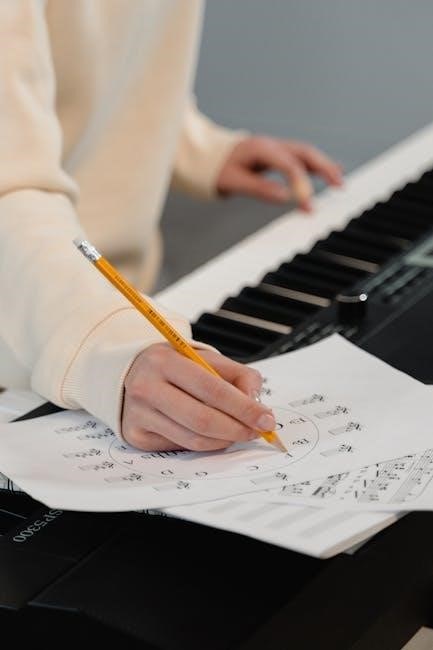
Duration: Length of a Sound
Note values and time signatures dictate how long sounds and silences last, structuring rhythmic flow and defining a piece’s temporal framework.
Note Values and Time Signatures
Note values – whole, half, quarter, and so on – represent sound length, while time signatures establish the rhythmic framework. These signatures indicate beats per measure and what note value receives one beat, organizing musical time. Understanding these concepts is crucial for accurately performing and interpreting rhythmic notation, shaping the piece’s overall feel.
Rests and Silence in Music
Rests, mirroring note values, denote silence within music, equally vital to rhythm as sound itself. They create pauses, shape phrasing, and contribute to dynamic contrast. Silence isn’t emptiness; it’s an integral part of musical expression, offering breathing space and enhancing the impact of subsequent sounds.
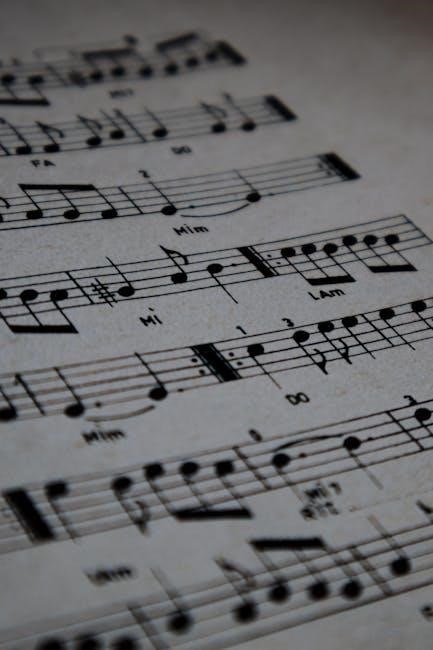
Tempo: The Speed of Music
Tempo, indicated by markings like Allegro or Andante, defines music’s pace, influencing its mood and character, sometimes with flexible rubato variations.
Tempo Markings (Allegro, Andante, etc.)
Italian terms commonly denote tempo: Allegro signifies fast, lively, and bright, while Andante suggests a walking pace, moderate in speed. Adagio is slow and graceful, and Presto indicates a very rapid tempo. These markings provide composers a standardized way to communicate desired speeds, guiding performers in interpreting the musical piece’s overall character and emotional intent.
Rubato and Tempo Flexibility
Rubato, meaning “robbed time,” allows expressive tempo deviations; speeding up and slowing down subtly for artistic effect. It doesn’t imply strict adherence, but rather a flexible approach, borrowing time from one beat to lend to another. Skilled musicians utilize rubato to enhance phrasing and emotional depth, creating a more nuanced and captivating performance.
Instrumentation: The Choice of Instruments
Instrument selection profoundly impacts timbre and overall sonic texture, shaping a piece’s character through orchestration and ensemble choices for expressive results.
Orchestration and Ensemble Selection
Careful orchestration involves strategically assigning musical ideas to different instruments, maximizing their unique timbral qualities and blending them effectively. Ensemble selection – whether a string quartet, orchestra, or rock band – fundamentally shapes the sonic landscape. These choices influence the piece’s texture, dynamics, and emotional impact, creating a cohesive and compelling musical experience for the listener.
Impact of Instrumentation on Timbre
The specific instruments chosen dramatically affect a composition’s timbre, or tone color. A flute’s airy sound contrasts sharply with a brass instrument’s bold resonance. Instrumentation dictates the overall sonic palette, influencing the mood and character of the music, and contributing significantly to its expressive potential and unique identity.
Musical Notation: Representing Music
Staffs, clefs, and notes visually represent musical ideas; rhythmic notation and symbols communicate duration and timing, enabling composers to precisely convey their sonic vision.
Staff, Clef, and Notes
The musical staff, comprised of five lines and four spaces, forms the foundation for notation. A clef—treble, bass, or alto—assigns specific pitches to these lines and spaces. Notes, symbols representing pitch and duration, are then placed on the staff, indicating when and what to play.
Rhythmic Notation and Symbols
Rhythmic values—whole, half, quarter, and eighth notes—dictate duration, while time signatures establish the beat’s organization. Rests signify silence, complementing note values. Symbols like dots increase duration by half, and ties connect notes across bars, creating sustained sounds within musical time.
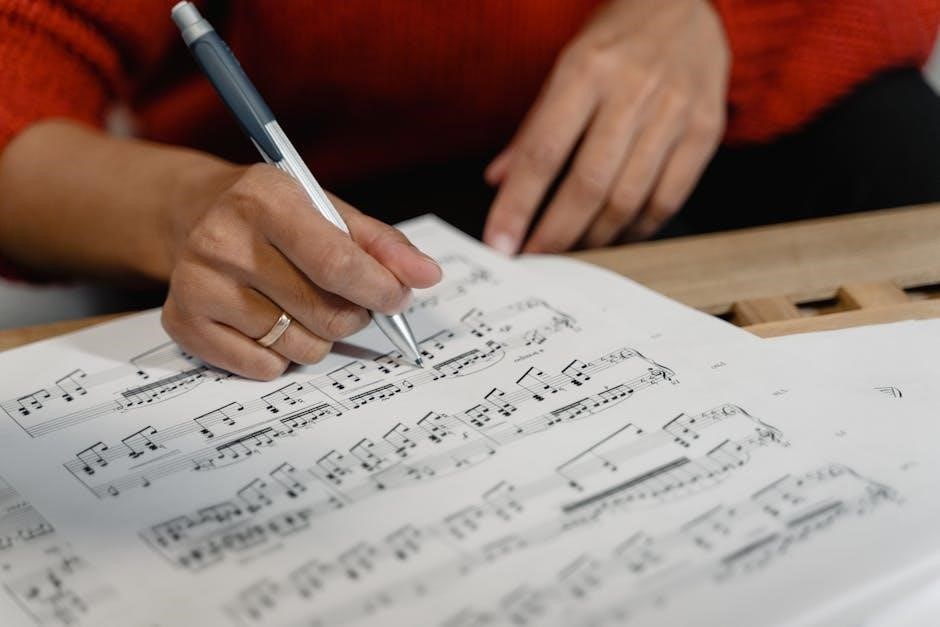
Cultural Variations in Musical Elements
Global music displays diverse rhythmic and melodic approaches, alongside unique timbral characteristics, reflecting distinct cultural traditions and aesthetic preferences worldwide.
Global Perspectives on Rhythm and Melody
Rhythmic and melodic structures vary significantly across cultures; complex polyrhythms define much African music, while Indian classical music features intricate melodic improvisation based on ragas. Western music often emphasizes harmonic progression, contrasting with melodic emphasis in East Asian traditions. These diverse approaches demonstrate how cultural context shapes musical expression, influencing both rhythmic feel and melodic contour.
Unique Timbral Characteristics Across Cultures
Distinct timbral palettes define musical traditions globally; the nasal quality of the Chinese dizi flute contrasts with the bright resonance of a Balinese gamelan’s metallophones. Indigenous Australian didgeridoos produce unique harmonic overtones, while throat singing in Mongolia creates multiple vocal timbres simultaneously. These examples showcase how instrument construction and vocal techniques shape sonic identity.